
How Water Damage Restoration Works in Bend
The six steps a Central Oregon restoration company typically follows, from your first call to the final dry log, and what you should expect at each one.
Get Free Quotes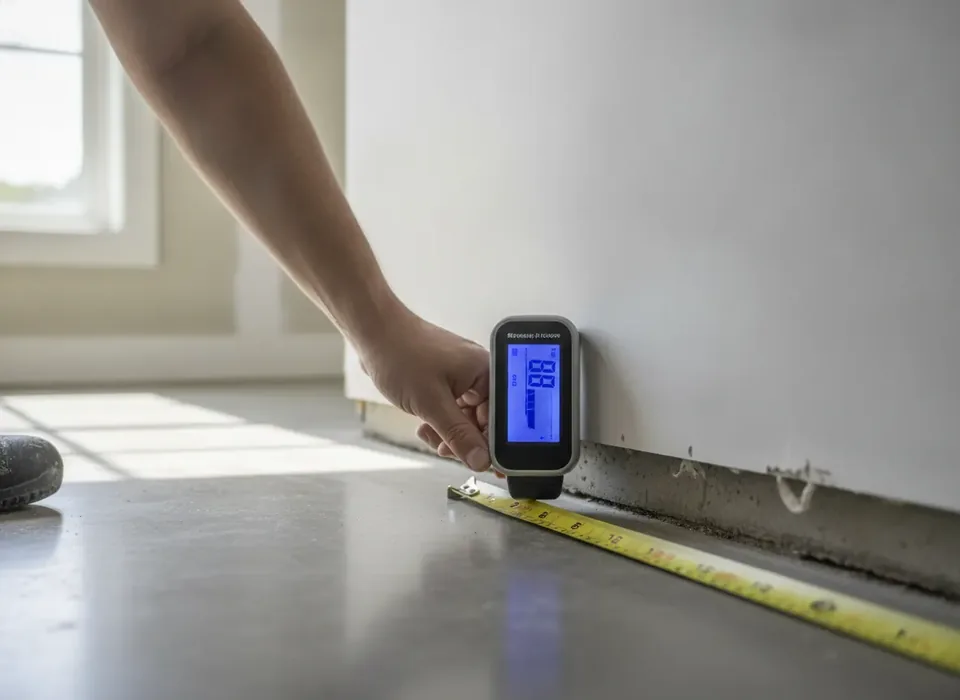
What happens first
Within the first visit, a crew should extract standing water and set drying equipment. The order below is the industry's standard (IICRC S500) sequence; the details change with the water type, the age of the house and how long it sat. Bend Water Damage Pros does not perform any of this work. The steps describe what the independent, CCB-licensed companies you are matched with typically do, so you can judge whether a quote covers everything.
The six steps
Call and stop the water
You shut the main and cut power to wet rooms, then describe the loss through the form or by phone. Independent restoration companies reply; the one you pick dispatches a crew. If a pipe is still leaking, a plumber may be the first call, and many restoration companies will coordinate one. Most providers offer 24/7 emergency response, though response times are theirs to promise, not ours.
Inspection and moisture mapping
The crew walks the house with a moisture meter and often a thermal camera, marking how far water traveled through drywall, under flooring and into the crawl space. They classify the water (clean, gray or black) and the class of loss, photograph everything and write a scope. Ask for a copy; it becomes the backbone of your insurance claim.
Extraction
Truck-mounted or portable extractors pull standing water from carpet, pad and hard floors. In a crawl space, a submersible pump goes in first. The faster this step happens, the more material can be dried in place instead of thrown away, which is the single biggest lever on cost.
Tear-out where needed, with the asbestos check first
Soaked pad, baseboard, insulation and the bottom one to two feet of drywall often come out. In a home built before January 1, 2004, Oregon DEQ requires an asbestos survey by an accredited inspector before that demolition, with no emergency exemption. Positive samples go to a DEQ-licensed abatement contractor. Pre-1978 homes bring lead-safe rules, which only CCB LBPR licensees may bid on. The restoration company should raise both before cutting.
Drying and daily monitoring
Air movers push air across wet surfaces and dehumidifiers pull the moisture out of the room. The crew returns daily to log readings and reposition equipment. The job is done when framing, subfloor and remaining drywall read at dry standard, not when they look dry. In Bend's thin, arid air the surface can pass the eye test days before the studs do.
Rebuild or handoff
Once the dry log is signed off, the equipment leaves and rebuild begins: new drywall, texture, paint, flooring, trim. In Oregon, extraction and drying after a sudden loss fall under the CCB Residential Restoration endorsement, while repair and replacement of structure needs a residential general or specialty endorsement. Some companies hold both; others hand you to a licensed rebuild contractor.
Contents pack-out
When a room has to be stripped to the studs or dried for a week, furniture, rugs, books and electronics are often inventoried, photographed and moved to a dry part of the house or to the company's warehouse. Porous items that touched sewage are usually documented and discarded. Hard goods are cleaned and returned when the rebuild is done.
Ask three things: who holds the inventory, whether storage is a separate line item, and what happens to items the insurer declines. Keep your own photos too.
How long does drying take in the high desert?
Typical structural drying runs three to five days; Class 4 losses with saturated hardwood, plaster or crawl-space soil take longer. Bend's semi-arid climate, roughly 10–11 inches of precipitation a year and thin air at 3,600 feet, helps because dry air holds more evaporated moisture. Winter is the exception: a house closed up at 70°F with dehumidifiers running dries well, but an unheated vacation home in Sunriver at 19°F average January lows barely dries at all until heat is restored.
The dry log, not the calendar, ends the job. See structural drying and how long drying takes in Central Oregon.
Questions worth asking before you sign
- What is your CCB number, and which endorsement covers this work? (Check it at search.ccb.state.or.us.)
- Will I get a moisture map and a daily dry log?
- Is this home pre-2004? Who is doing the asbestos survey, and is it on the estimate?
- Is rebuild included, or handed to another contractor?
- Do you bill my insurer directly, and are you asking me to sign an assignment of benefits? (You are not required to.)
Compare answers across quotes. The cost guide explains what each line usually costs.
Water where it shouldn't be? Get free quotes.
Tell us what happened and independent Central Oregon restoration companies can reply with no-obligation quotes.