
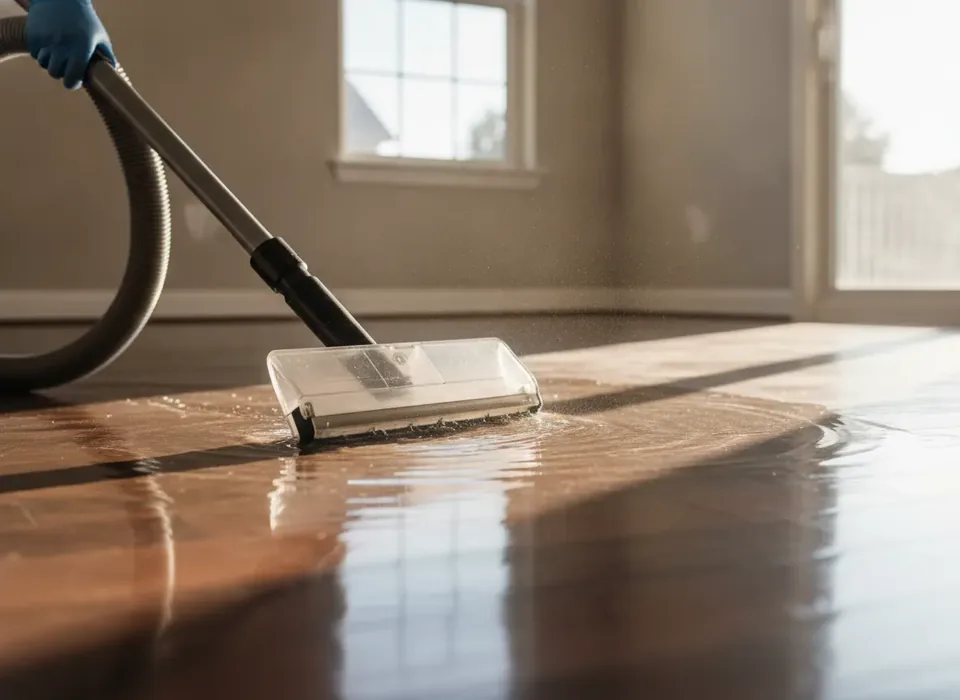
Emergency water extraction
Standing water pumped and extracted fast, then drying equipment set the same visit.
Learn moreDescribe the leak or flood once. Independent, Oregon CCB-licensed restoration companies serving Bend, Redmond, Sunriver and the rest of Central Oregon reply with no-obligation quotes.
Every page explains what the restoration companies typically do, what it tends to cost, and what is specific to Bend's climate and Oregon's rules.
Standing water pumped and extracted fast, then drying equipment set the same visit.
Learn more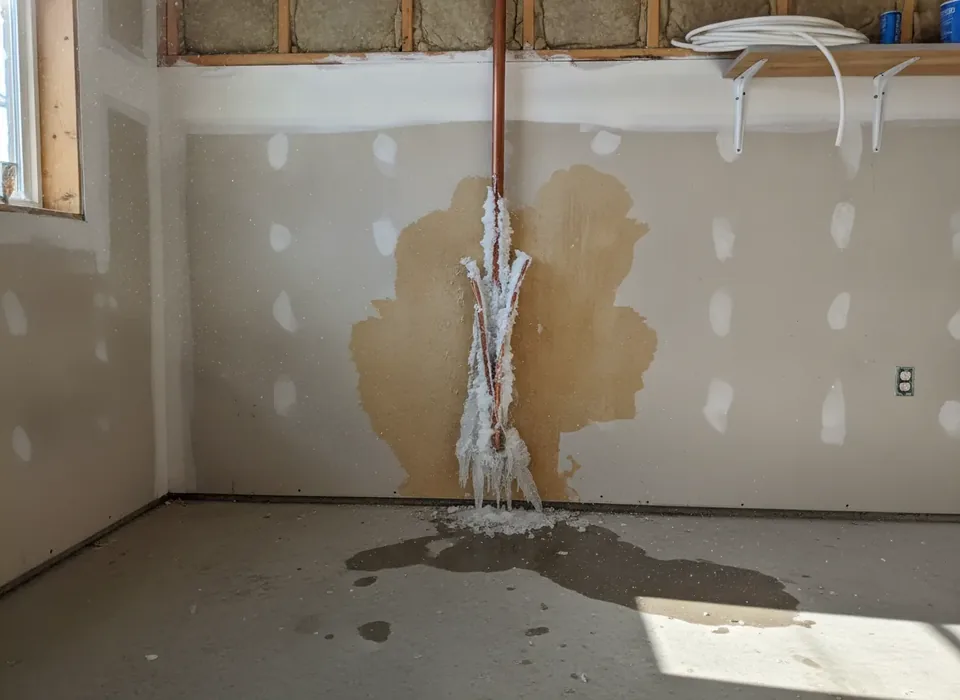
Bend's winter staple: pipes that split on a single-digit night and let go on the thaw.
Learn more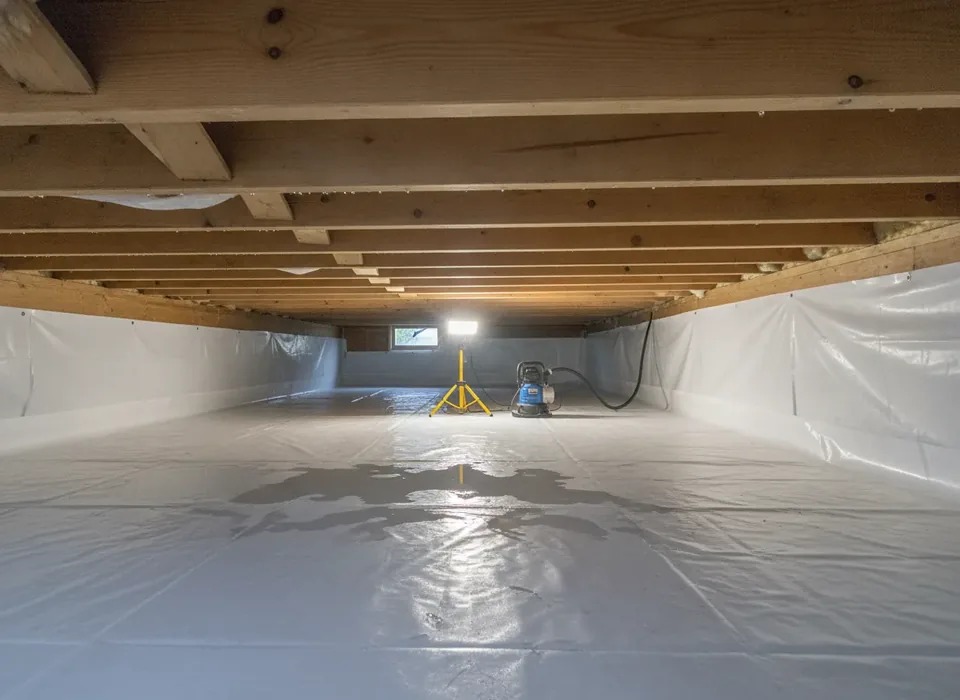
Pumping, insulation removal and drying under the floor where most Central Oregon leaks end up.
Learn more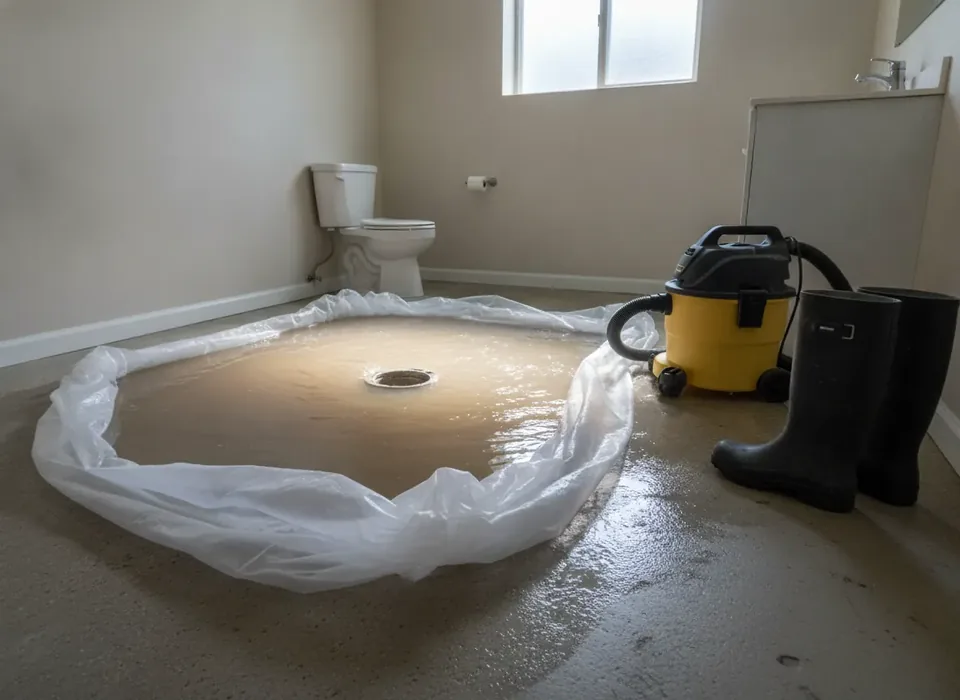
Category 3 water from a sewer line or septic system needs containment, removal and disinfection.
Learn more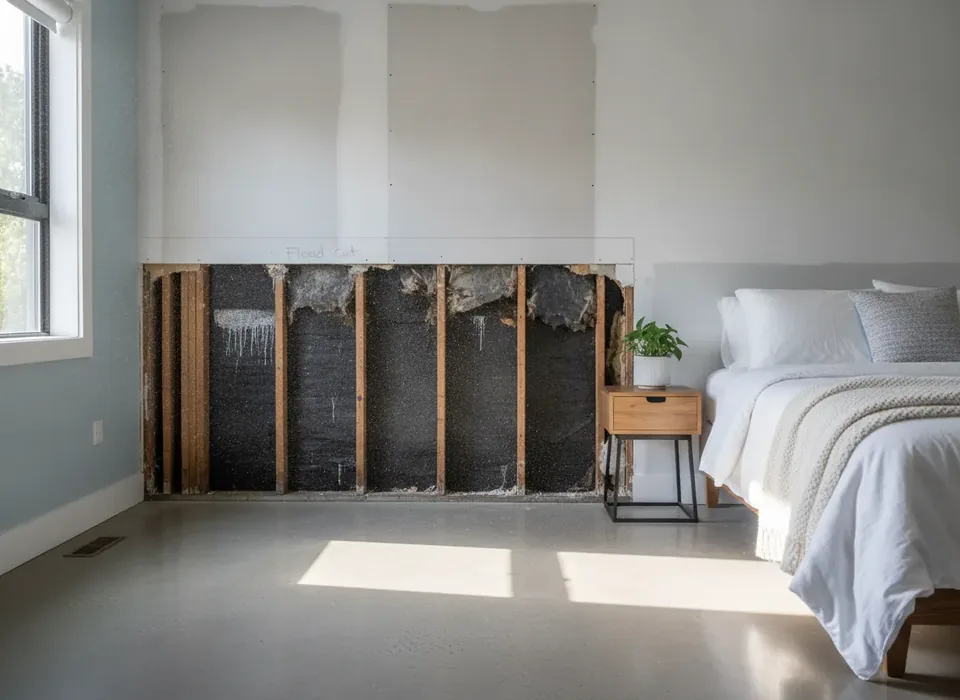
Testing, containment and removal when a leak was found late or the drying never finished.
Learn more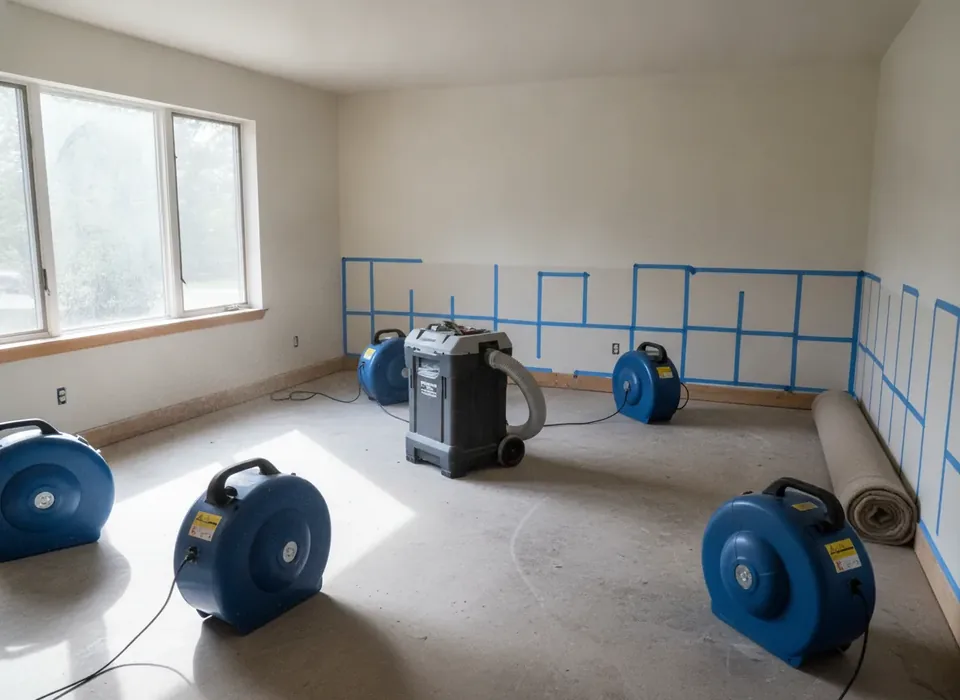
Air movers, dehumidifiers and daily moisture readings until framing and subfloor hit dry standard.
Learn more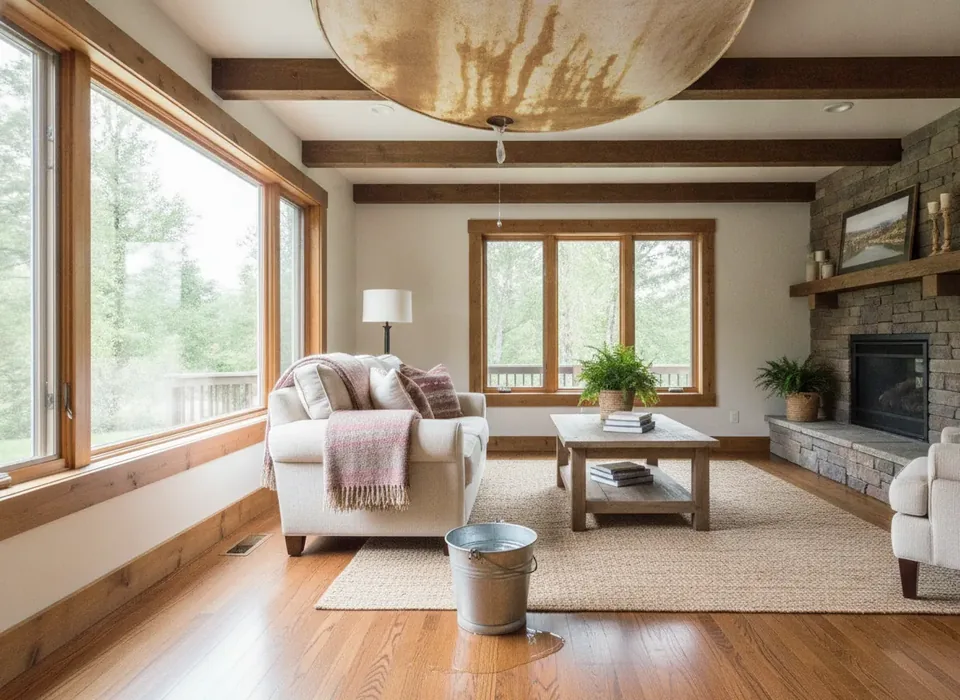
Melt that refreezes at the eaves and backs up under shingles, staining ceilings and soaking attic insulation.
Learn more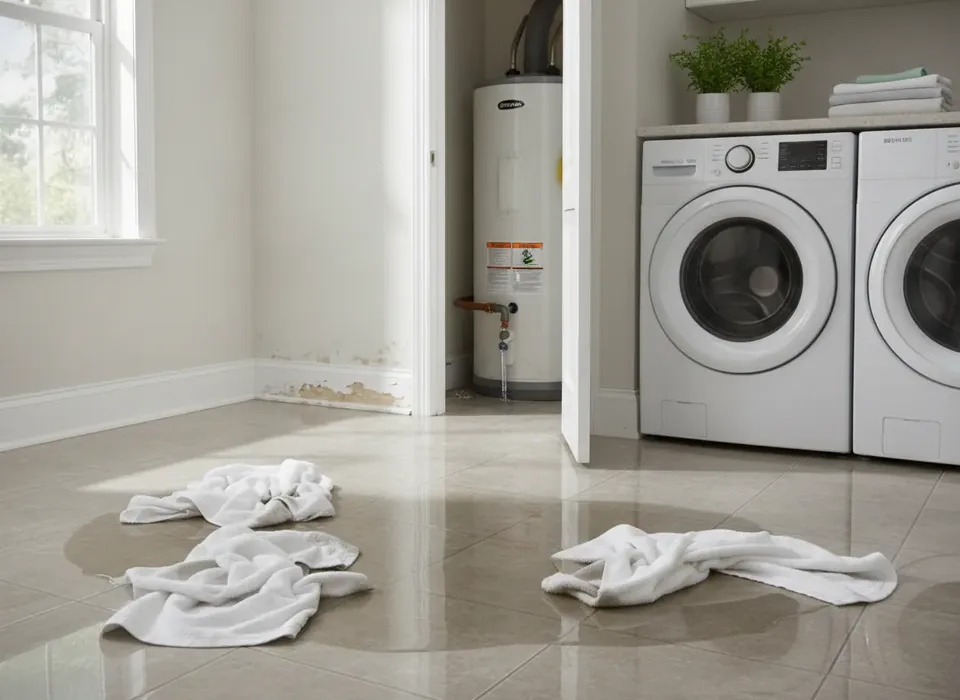
For Sunriver, Black Butte and second homes that froze while nobody was there to notice.
Learn moreOne request, several independent quotes, your decision.
Fill out the short form or call. Say what leaked, when it started, which rooms are wet and whether the water is still running.
Independent restoration companies serving your part of Central Oregon review the details and reach out with quotes. During emergencies many respond quickly, though we do not guarantee response times.
Compare the quotes, check each company's CCB license at search.ccb.state.or.us, and hire the one you trust. No fee to you and no obligation.

National pricing sources (Fixr, January 2025; HomeAdvisor 2025) put a typical residential job at $1,200–$5,000, with averages around $3,000–$3,800. A small clean-water extraction and dry-out is closer to $500–$1,000. Sewage, mold and tear-out of flooring or drywall push the total up.
Central Oregon quotes vary with access, travel distance and how long the water sat. Our cost guide breaks the ranges down by water category, class of loss and material, with a planning calculator.
See the Bend cost guideBend sits at about 3,600 feet in a semi-arid high desert with roughly 10–11 inches of precipitation a year. That changes how water damage happens here and how it dries.
Bend's January nights average about 25°F and the record low is −26°F. In January 2024 Bend Fire & Rescue warned of frozen pipes ahead of a forecast high of 12°F. Pipes in crawl spaces, garages and exterior walls split on the cold night and leak on the thaw.
Finished basements are uncommon in Central Oregon; crawl spaces are where most supply-line failures and spring snowmelt end up. Water under the floor is easy to miss until the subfloor swells.
Low humidity speeds evaporation, which shortens drying. It also dries the surface first, so a loss can look smaller than it is while framing and insulation stay wet. Moisture meters, not eyes, decide when a job is done.
Oregon DEQ requires an asbestos survey before renovation in homes built before January 1, 2004, with no emergency exemption. In a city where a large share of houses predate that, it affects how fast wet drywall can come out.
Bend and the communities around it, from the Cascade foothills to Jefferson and Crook counties.
More in the full FAQ.
Start now. Shut the main, cut power to wet rooms, and get photos before anything is moved. Restoration companies in Bend typically say trapped moisture can support mold growth within one to two days, and drywall, subfloor and insulation keep wicking water the whole time. Even in dry high-desert air, the hidden material stays wet far longer than the surface.
National sources (Fixr and HomeAdvisor, January 2025 data) put a typical job at $1,200–$5,000, averaging roughly $3,000–$3,800. A small clean-water extraction and dry-out runs about $500–$1,000; sewage and mold push totals higher. Central Oregon quotes vary, which is why comparing more than one is worth it. See the cost guide.
Usually for sudden, accidental events such as a burst pipe or an appliance failure. Gradual leaks and neglected maintenance are commonly excluded, and river or surface flooding needs a separate NFIP or private flood policy. Oregon law (ORS 746.230) requires insurers to acknowledge claims promptly and investigate reasonably. Ask your adjuster about your specific policy.
The companies in the network are independent Oregon CCB-licensed contractors. In Oregon, water removal after a sudden loss is restoration work under ORS 701.540 and requires at least a Residential Restoration endorsement; tearing out drywall or flooring needs a general or specialty endorsement. You can verify any company yourself at search.ccb.state.or.us before signing anything.
If the home was built before January 1, 2004, Oregon DEQ requires an asbestos survey by an accredited inspector before renovation or demolition, including pulling wet flooring or drywall (OAR 340-248-0270). There is no emergency exemption; only owner-occupants doing their own work are exempt. A good contractor will raise this before the first saw cut.
No. Bend Water Damage Pros is a free quote service. You describe the problem once, and independent restoration companies serving Bend and Central Oregon reply with quotes. We do not perform extraction, drying or repairs, and we are not a contractor. There is no fee to you and no obligation to hire anyone who replies.
Tell us what happened and independent Central Oregon restoration companies can reply with no-obligation quotes.