
Appliance Leaks: Water Heaters, Dishwashers and Washing Machines
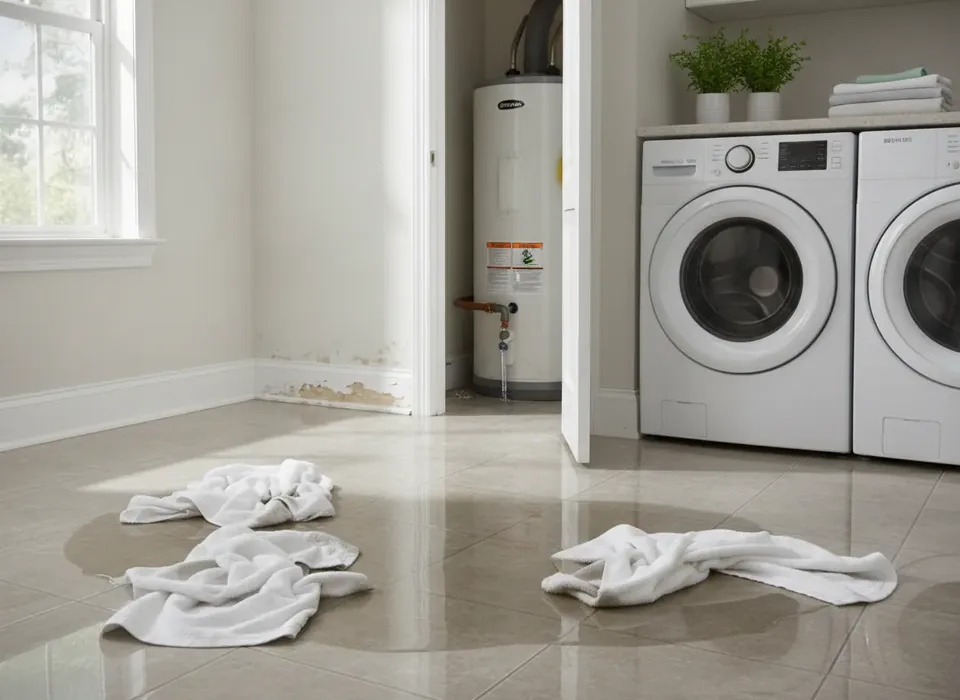
Most water damage in Central Oregon homes does not come from a dramatic flood. It comes from a $6 rubber hose, a corroded tank bottom, or a dishwasher gasket that has been weeping under the cabinets for months. Appliance leaks are quiet, they start in rooms with hard floors that hide water, and they have a straight path down into the crawl space.
Here is where each appliance typically fails, what cleanup usually costs, and when a small puddle is actually a bigger problem.
Water heaters: slow weep or sudden rupture
A standard tank water heater holds 40 to 50 gallons, and the cold supply keeps refilling it as it leaks. The common failure points:
- Tank corrosion. Sediment settles at the bottom, the steel rusts from the inside, and eventually the tank weeps or splits. Once a tank leaks from the body, it is finished.
- Temperature and pressure relief valve. The T&P valve is supposed to discharge when pressure gets too high. If it drips constantly, that is a warning, not normal.
- Supply connections and the drain valve. Fittings loosen, flex connectors fatigue, and plastic drain valves crack.
Water heaters in Bend homes are often in a garage, a hall closet, or a utility room over the crawl space. A garage location is the kindest, since the slab and the floor drain do most of the work. A closet on a wood-framed floor is the worst: the water goes straight through the subfloor seams.
If it is leaking now: close the cold-water valve on top of the heater, then turn off the gas valve or flip the breaker. Do not drain the tank with the heat still on.
Dishwashers: the leak you cannot see
Dishwasher leaks almost never show up in front of the machine. They run under the toe kick and spread beneath the adjacent cabinets, where the first signs are a soft spot in the floor, a swollen cabinet base, or a smell. Common causes:
- A worn door gasket that lets water escape during the wash cycle
- A cracked drain hose or a loose clamp at the garbage disposal connection
- The supply line and shutoff under the sink, which may drip only when the machine calls for water
- A stuck float switch that lets the tub overfill
Because dishwasher leaks are often gradual, they are also the ones most likely to be denied by an insurer as "long-term seepage." See the insurance note below.
Washing machines: the hose that bursts at 2 a.m.
A washing machine supply line is under full house pressure 24 hours a day, whether the machine is running or not. Rubber hoses harden, bulge, and burst, and when they do the result is a garden hose running wide open into your laundry room until someone notices. Second-floor laundry rooms turn this into a ceiling collapse below.
The fix is cheap: braided stainless steel supply hoses typically cost about $45–$75 installed (national figure, Fixr, Jan 2025). Other washer failure points include the drain hose jumping out of the standpipe, a standpipe that overflows because the drain is partly clogged, and pump seals that fail and leak under the machine.
Refrigerator ice-maker lines deserve a mention too. The thin plastic or copper line behind the fridge can pinhole and run for weeks behind the appliance before anyone sees it.
When a small leak becomes a crawl-space problem
Water follows gravity. On a wood-framed floor, which is how most Central Oregon homes without basements are built, water that gets under a dishwasher or around a water heater finds the seams in the subfloor and the holes drilled for pipes and drains. From there it drips onto the crawl-space soil, the vapor barrier, and the underside of the floor insulation.
Three things make this worse than it sounds:
- The vapor barrier holds water. A plastic sheet that is supposed to keep ground moisture out of the house will happily pool water that comes from above.
- Insulation soaks and sags. Wet fiberglass batts between the joists hold moisture against the subfloor long after the kitchen floor looks dry.
- Bend's dry air hides it. The surface dries fast in a semi-arid climate, so the visible problem disappears while the subfloor and joists stay wet underneath. Mold can begin growing in trapped moisture within a day or two.
If an appliance has leaked for more than a few hours onto a framed floor, ask the restoration company to check the crawl space with a meter before signing off. Our flooded crawl space page covers what that inspection and dry-out involves.
What appliance leak cleanup typically costs (typical ranges, national sources, Jan–2025 data; Central Oregon quotes vary):
- Dishwasher or washer overflow, Class 2 loss: $500–$1,000
- Clean-water extraction: $3.75–$4.25 per sq ft
- Drywall repair: $1.50–$3 per sq ft
- Crawl space dry-out, about 500 sq ft, no rebuild: $2,000–$7,000
- Mold remediation if it has started: $1,500–$4,000
The spread between the first line and the last is the cost of waiting. The full table is on our cost guide.
Insurance: sudden vs. gradual
Standard homeowners policies generally cover sudden and accidental discharge, which is what a burst washer hose or a split water heater tank looks like. They generally exclude damage from leaks that developed over weeks or months, which is what a dishwasher gasket that has been dripping since spring looks like. The appliance itself is usually not covered either way; the damage it caused is what is at issue.
Document when you found the leak, photograph the source before it is repaired, and keep the failed part if you can. Then ask your adjuster. For more, read does homeowners insurance cover water damage in Oregon.
Prevention that is actually worth doing
- Replace rubber washer hoses with braided stainless, and look at them twice a year for bulges or rust at the fittings.
- Put a drain pan under any water heater that sits on a wood floor, piped to a drain or at least fitted with a leak alarm.
- Set inexpensive leak sensors under the dishwasher, behind the washer, by the water heater, and under the kitchen sink. Wi-Fi models text you, which matters for a Sunriver or Black Butte vacation home that sits empty.
- Know where the water heater's cold-water shutoff and the house main are, and make sure they turn.
- If you leave a home empty in winter, shut the main and the washer valves. See vacation home freeze damage for the full checklist.
- Replace a tank water heater that is weeping at the base. It will not get better.
If an appliance is leaking right now
Shut the valve. Kill power to the appliance at the breaker. Move anything you can out of the water. Take photos. Then describe what leaked, when it started, and which rooms are wet, and independent, Oregon CCB-licensed companies in Bend and Central Oregon can reply with quotes for emergency water extraction. For a leak that has been going a while, mention the smell or soft floor so they bring the right meters and plan a crawl-space check from the start.